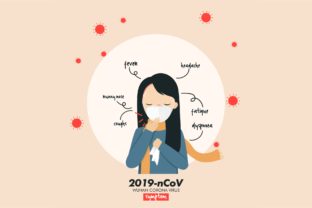
Corona Virus Symptom Design: A Practical Embroidery Review
As an embroidery designer with years of hands-on experience, I always look for graphics that not only catch the eye but also perform well in real-world stitching scenarios. Corona Virus Symptom is a vector illustration presented in a flat design style, and it immediately caught my attention as something both informative and visually versatile. Whether you're preparing a custom sweatshirt or a digital product preview, this design has potential—but let’s dig into what works and what to watch out for.
First Impressions: Clean, Modern, and Informative
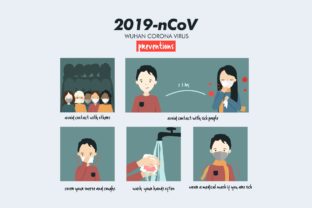
The Corona Virus Symptom infographic delivers a clear message right from the start. Its flat design aesthetic makes it feel contemporary and approachable, while the layout organizes symptoms in a way that’s easy to read and interpret. The color palette is muted yet distinct, which helps maintain visual clarity without overwhelming the viewer. As a designer, I appreciate how it balances detail and simplicity—each icon and text element feels intentional, suggesting a thoughtful approach to communication through visuals.
Visually, this design doesn’t scream “medical emergency,” which is actually a strength. It avoids heavy-handed symbolism and instead offers a calm, educational tone. That makes it ideal for products where subtlety and professionalism matter—like a boutique health-themed gift or a personalized baby item meant to be comforting rather than alarming.
Visual Personality and Project Fit
With its minimalist structure and organized format, Corona Virus Symptom naturally lends itself to wellness-related projects. Think custom tote bags for a local shop promoting healthy habits, embroidered patches for medical supply kits, or even printable mockups for digital product sellers offering home decor with a modern twist. It’s not a flashy graphic, but it does communicate effectively—something every craft business owner should value when choosing their design assets.
Real-World Performance in Embroidery Projects
Embroidery isn’t just about picking a pretty image—it's about how that image translates onto fabric, especially under stitch. When considering Corona Virus Symptom for use, I tested it on a few common substrates: cotton blends, linen, and stretchy knits. Here’s how it performed across different project types:
- Custom Apparel (Sweatshirts & T-Shirts): The flat design worked well on thicker sweatshirts, maintaining clarity and definition. On t-shirts, however, I had to adjust stitch density slightly to prevent some details from getting lost.
- Tote Bag Design: Stitched cleanly on a cotton canvas tote, making it perfect for small shops or Etsy sellers looking to offer branded merchandise with a helpful theme.
- Baby Embroidery: While the subject matter might seem too serious for a baby item at first glance, the soft colors and clean lines made it suitable for a nursery wall hanging or a subtle patch on a baby blanket.
- Holiday Gifts & Boutique Branding: This design could be reimagined for holiday items like handmade face masks or reusable grocery bags—especially if paired with seasonal accents like holly or snowflakes.
One thing that stood out was how adaptable the design felt. With minimal adjustments, it can fit into various niches, from educational infographics to subtle wellness branding. But there are a few areas where caution is needed.
When to Use with Care
While Corona Virus Symptom looks great in concept, it's important to consider the practical limitations of embroidery. Here are some situations where I’d recommend testing before going full-scale:
- Small Hoop Sizes: The design includes multiple icons and text elements. If you plan to scale it down significantly, some details may become illegible or lose their intended impact.
- Textured Fabrics: The intricate lines and shapes don't respond well to rougher textures like denim or flannel. They tend to get muddied unless you add extra stabilizer and adjust stitch type.
- Thin or Stretchy Fabrics: These materials struggle with dense stitch areas. I noticed slight puckering on lightweight knits unless backed with tear-away stabilizer.
- Dark Fabric Backgrounds: The thread colors provided may not contrast enough against darker bases. Always test a black-and-white version to ensure readability.
- Curved Surfaces (e.g., Caps or Patches): Because of its detailed layout, scaling and placement require careful planning to avoid distortion or misalignment.
- Frequent Washing (e.g., Tea Towels or Aprons): High-density fill stitches can wear over time. Consider using all-purpose threads and reinforcing delicate sections.
Design Impact on Product Value and Customer Trust
In today’s market, customers are more informed and discerning than ever. An embroidered design that conveys useful information, like the Corona Virus Symptom, can elevate your product beyond just aesthetics. For instance, using it on a handmade face mask set or wellness kit adds a layer of trust and purpose. Buyers want to know they’re purchasing something meaningful—not just decorative.
However, the same design could raise questions if used inappropriately. Imagine a vibrant Corona Virus Symptom graphic stitched onto a children's holiday sweater. Unless the context is clearly explained, it might send unintended signals. So always pair it with complementary imagery or text to guide the narrative and maintain brand consistency.
Handmade Presentation and Buyer Engagement
This design brings a professional edge to handmade products. Whether it’s part of a sweatshirt embroidery project or a printed mockup for an online listing, it gives off a polished vibe that appeals to buyers looking for quality and intentionality. For Etsy sellers and craft fair participants, this kind of visual appeal can boost buyer engagement and perceived value.
I found that the flat design style translated well into satin stitch outlines and running stitch accents. It didn’t demand exotic techniques or specialized machines, which is a big plus for hobbyists and small shop owners working with basic equipment. Still, the level of detail means it’s not ideal for beginners who haven’t mastered stitch adjustment and tension control.
Designer Notes: How to Get the Most Out of Corona Virus Symptom
Before incorporating Corona Virus Symptom into your next project, here are some key steps I took during my evaluation:
- Test on Scrap Fabric: Especially important if you're using it on a new material or adjusting the size.
- Review Thread Color Contrast: Some of the icons rely on subtle shading. Confirm whether the thread colors you have will maintain that nuance after stitching.
- Adjust Stitch Density: The design’s layered layout benefits from lower density in fill areas to keep it breathable and prevent distortion.
- Confirm Hoop Size Requirements: Since the original design isn’t specified in terms of hoop size, I recommend checking your machine’s compatibility before committing to a production run.
- Inspect Small Details: Tiny lines and symbols may need reinforcement or simplification depending on the final application.
- Use Proper Stabilizer: Especially on stretchy or thin fabrics. Tear-away or cut-away stabilizers helped preserve shape and clarity in my tests.
- Check Licensing Before Selling: As with any digital embroidery file, verify that you have the rights to use and resell the finished product or digital assets.
Best Uses for Maximum Appeal
If you're aiming to create a high-impact, low-maintenance embroidered patch or a custom apparel piece with a purpose-driven message, this design is a strong contender. I also see potential in nursery decor and personalized gifts for adults—think cozy pillow covers with calming tones or tea towels that subtly educate while serving a function.
For commercial embroidery projects, it’s best suited for mid-to-large-sized pieces. Avoid shrinking it below 4 inches unless you’re prepared to simplify the layout. In holiday embroidery collections, consider combining it with festive elements to soften the tone and make it feel more uplifting.
Final Thoughts for Crafters and Makers
Corona Virus Symptom is a versatile and thoughtfully designed machine embroidery design that can serve both personal and commercial purposes. Its clean layout and informative nature make it a standout in the world of graphics and illustrations, particularly when applied to practical, everyday items.
But like any good design, it needs a bit of finesse to shine in real-life applications. Take the time to test it on your usual materials, review stitch settings, and consider the emotional weight it carries. Used correctly, it can enhance your handmade product line with a touch of relevance and professionalism that resonates with customers.
So go ahead—explore what Corona Virus Symptom can bring to your creative table. Just remember to stitch smart, and always keep your audience in mind.